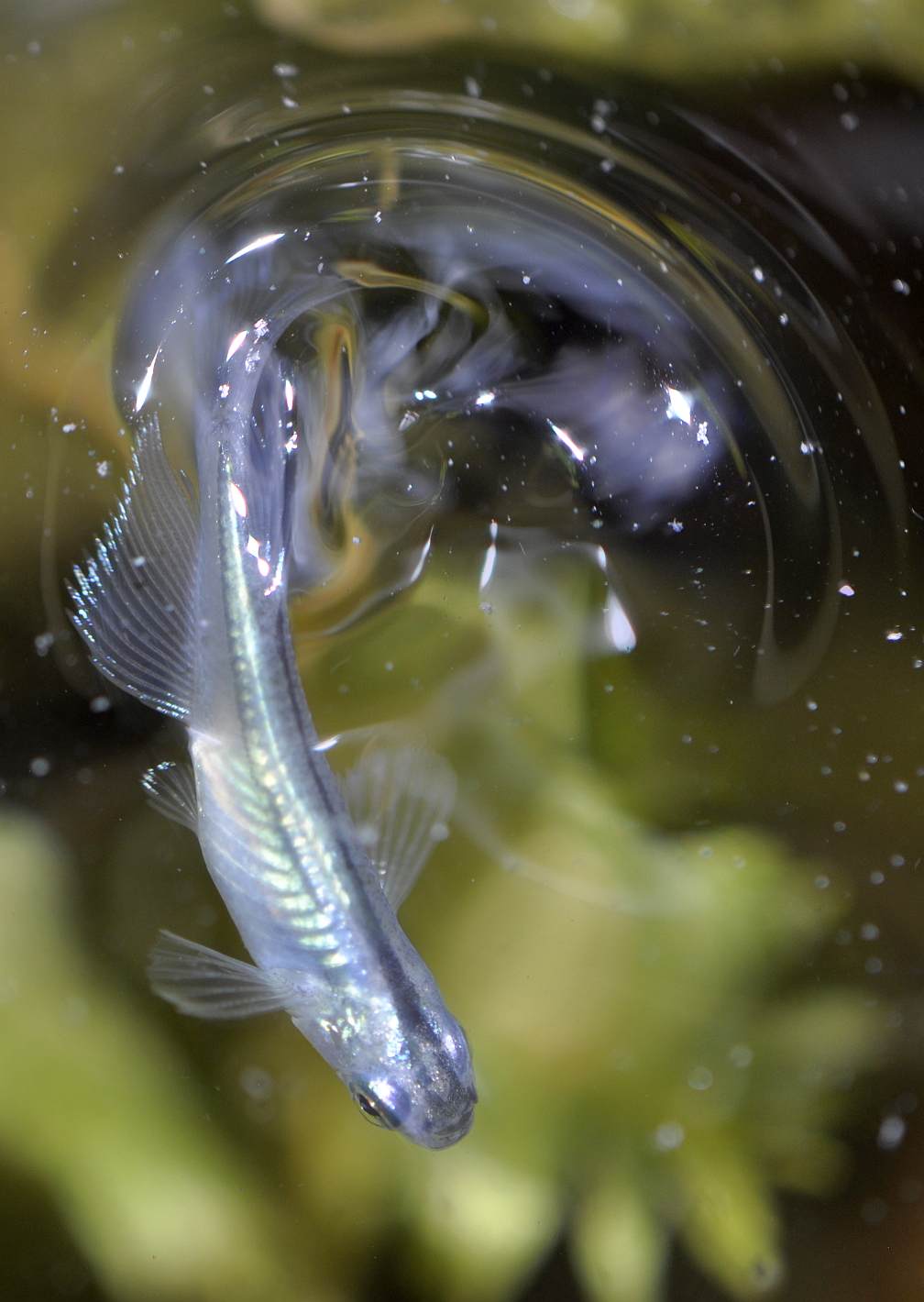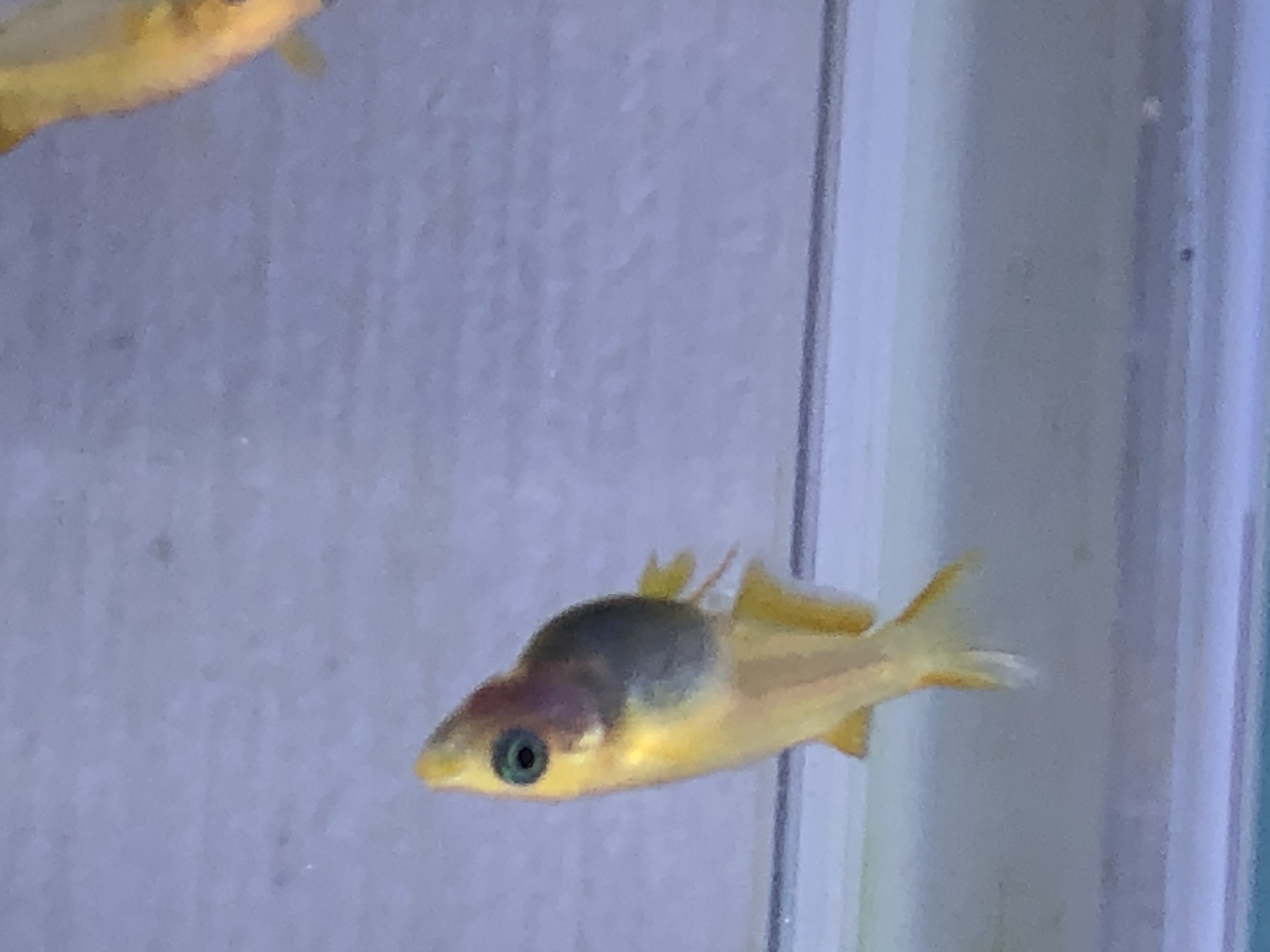
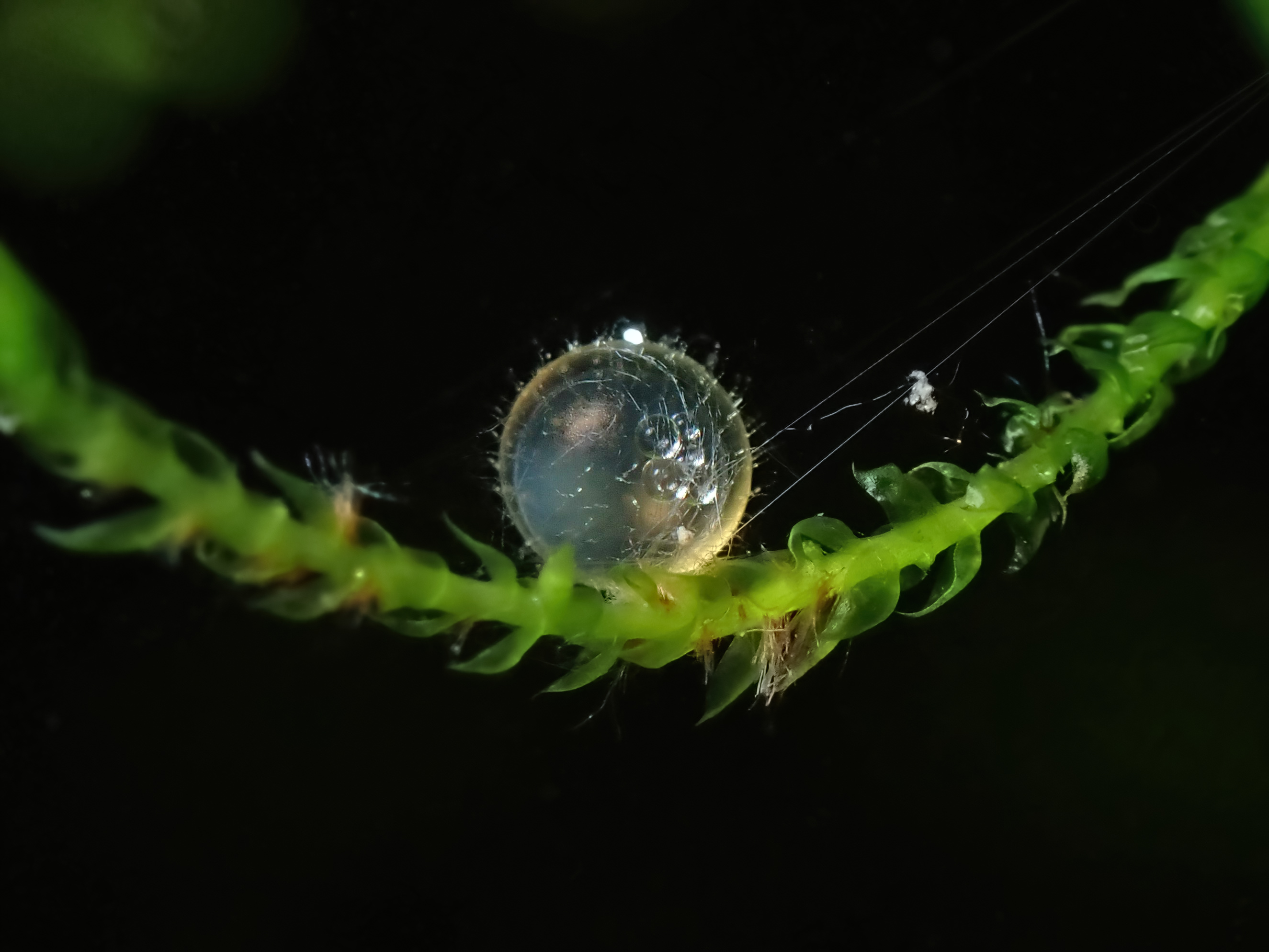
Observe before collecting
Spawning often occurs in the morning. Eggs may hang beneath the female before attachment to a spawning surface. Sexing is harder in small fish and modified body forms. Adult condition, nutrition, light and water all matter.
Separate and label
Adults may eat eggs or fry. Use a separate rearing space, handle the spawning material gently and carefully remove cloudy or mouldy eggs. Label collection date and parent IDs. If several pairs shared the container, record parentage as uncertain.
When will eggs hatch?
Hatching depends on temperature and development. Kameda gives around 10 days at 25°C as a rough example, not a deadline. Do not add heat merely to hurry hatching; record actual conditions and dates.
The first meals
New hatchlings initially have yolk reserves. Once they begin seeking food, provide suitably fine particles rather than waiting for a fixed calendar day. Use small meals and careful maintenance that does not siphon fry away. Monitor food access as sizes diverge.
A useful brood label
- Brood ID and known or unknown parents
- Collection and first hatch dates
- Observed temperature
- First foods and size observations
- Growth photos
References & editorial context
Sources checked on 26 September 2026. Practical recording and Thailand callouts are editorial suggestions; they are not reported Thai trial results. Source organisations have not reviewed or endorsed this article.